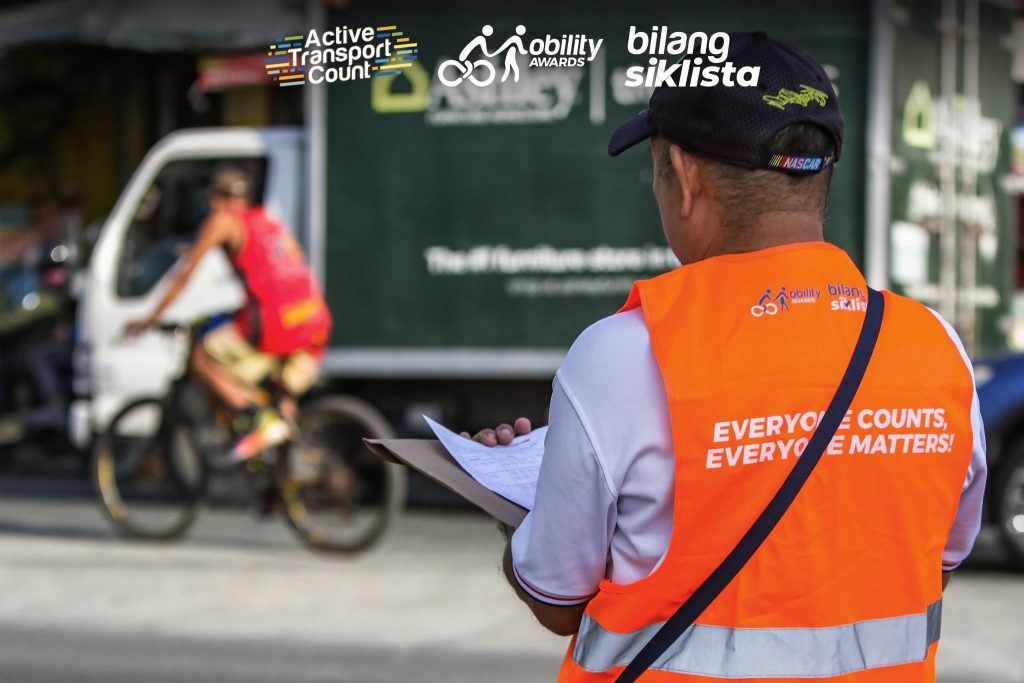
Bilang Siklista launches online dashboard of citizen-led count data from 22 cities since 2021 as national budget for active transport shrinks
QUEZON CITY, November 20, 2026 — Women made up just two percent of the more than 220,000 people counted on bicycles across six Philippine cities this year. On the same streets, women made up nearly half or more of the people walking. The figures come from the 2026 Active Transport Count by Bilang Siklista, the country’s largest citizen-led bike and pedestrian counts, and were released today with the launch of the Active Transport Count Dashboard, two days before National Bike Day.
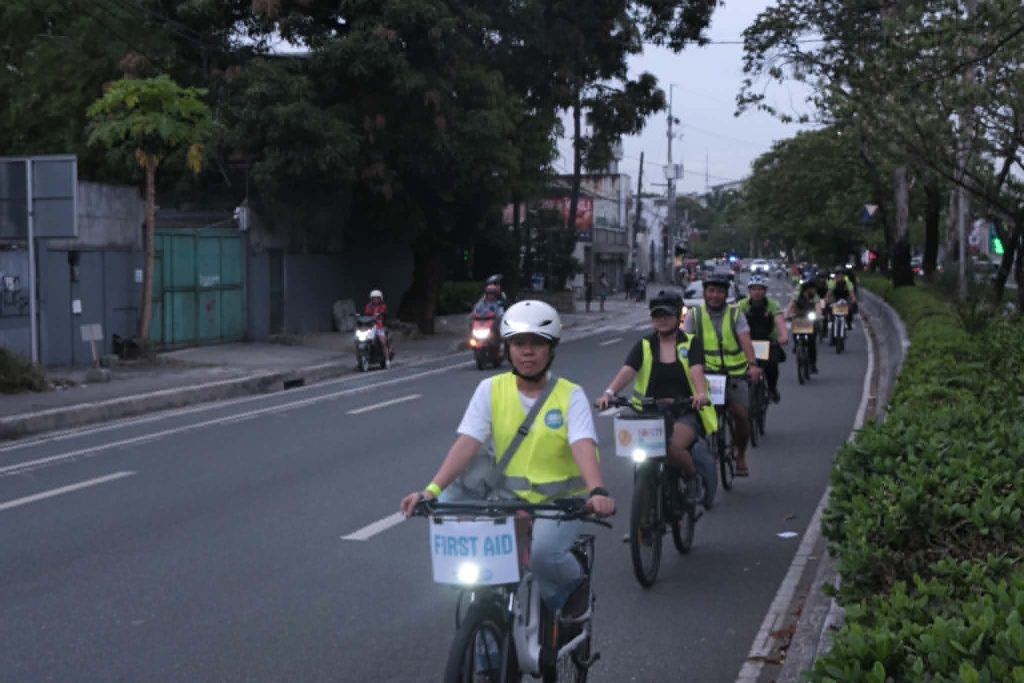
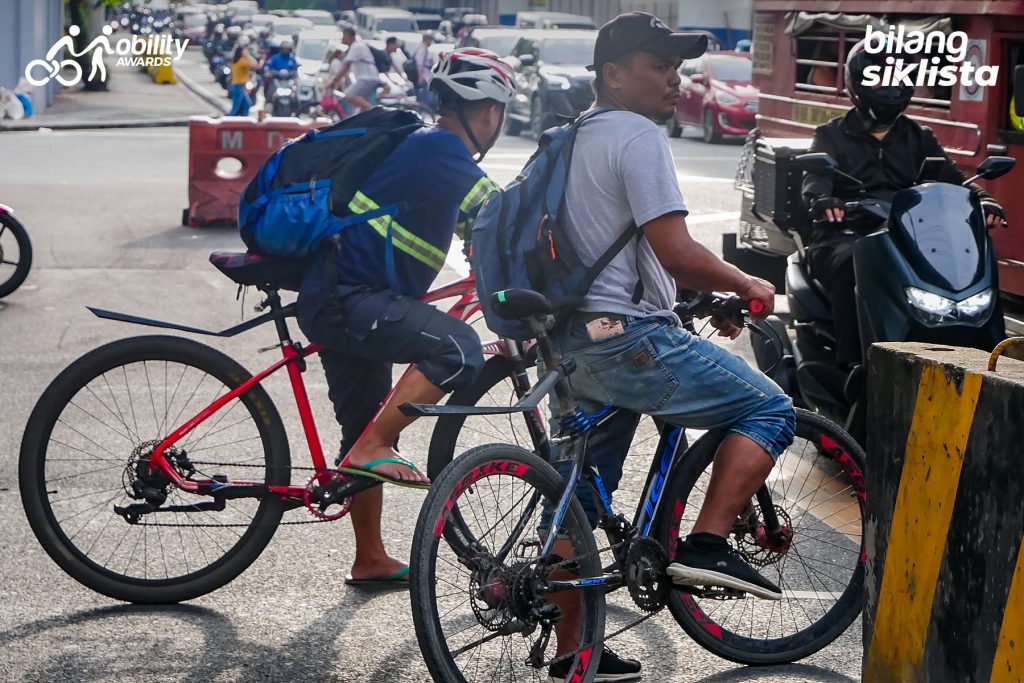
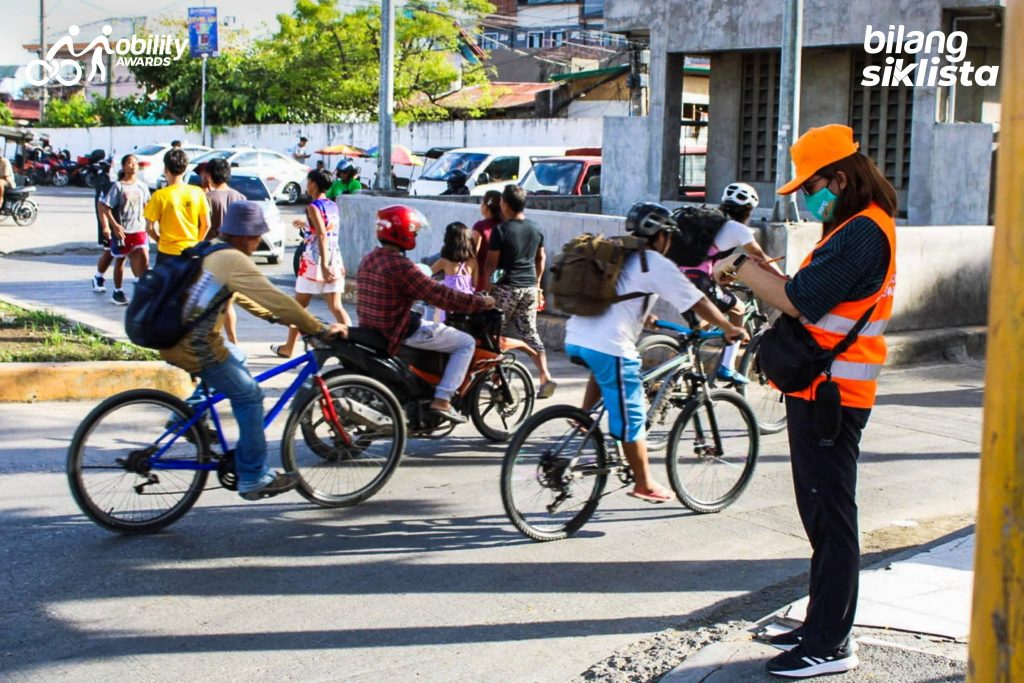
Citizen volunteers and partner local governments counted cyclists at 88 locations in Quezon City, Mandaluyong, Marikina, Taguig, Iloilo, and Butuan between June and August 2026, recording 220,710 people on bicycles. This year, Bilang Siklista also rolled out its new Active Transport Count methodology, which counts pedestrians as well as cyclists. Taguig and Butuan piloted the pedestrian counts and recorded 44,933 people walking.
The new online dashboard, launched at a webinar, gathers bicycle count data from 22 Philippine cities from 2021 to 2026. Anyone can use it to see how many people on bicycles were counted each year, the gender distribution, and the number of cyclists at each count location. More pedestrian data is expected to be added later.
Women are on the streets, but not on bikes
Of the 220,710 cyclists counted, only 4,328 were women. No city reached even 5%: women were 1.2% of cyclists in Quezon City and 1.3% in Marikina, the two largest counts.
The picture is very different for people on foot. At the same 24 Taguig locations over the same three days, women made up 46% of pedestrians. In Butuan, women outnumbered men among pedestrians, at 56%.
“Women are clearly out on our streets every day, but when only two in every hundred cyclists are women, that tells us our roads don’t feel safe enough for them to ride. Protected bike lanes, good lighting, and safe crossings aren’t extras. They decide who gets to use the cheapest and cleanest way to get around,” said Amber Garma, Urban Mobility Campaigns Officer at the Institute for Climate and Sustainable Cities.
Tens of thousands ride every day, mostly to get to work
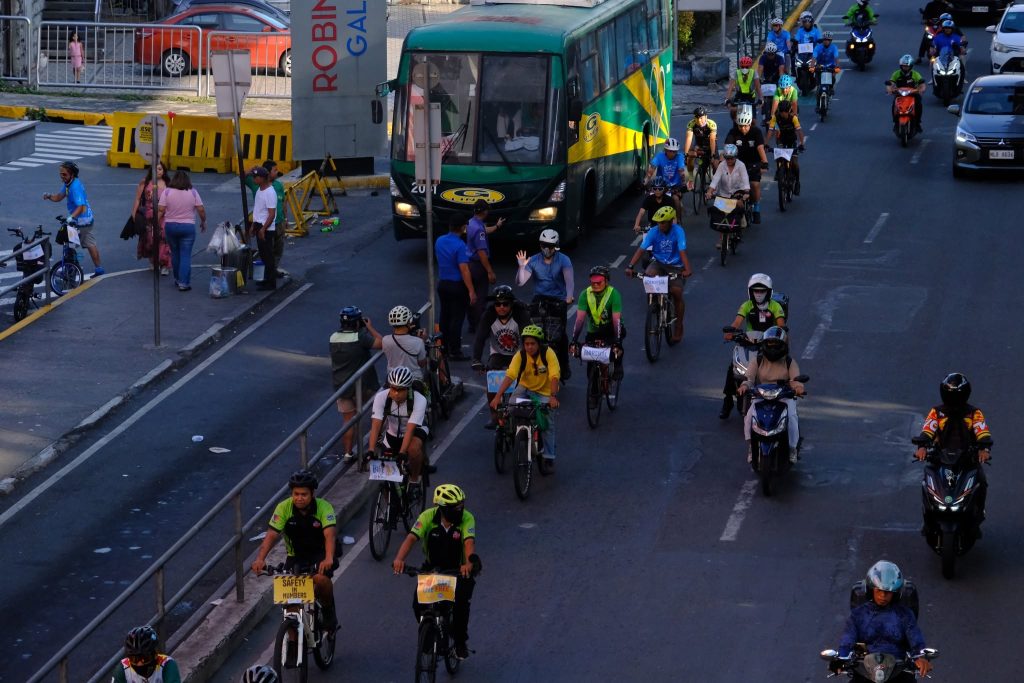
The counts show how heavily commuters already rely on bicycles. Quezon City recorded 139,660 cyclists over seven days at 21 locations, an average of nearly 20,000 a day. Its busiest points were Quirino Highway–Mindanao Avenue (16,866), Aurora Boulevard–C5/Katipunan (14,445) and Congressional Avenue–EDSA/Roosevelt (14,373). The six count points along Commonwealth Avenue together recorded 32,675 cyclists.
Mandaluyong had the heaviest single-day count, with 23,950 cyclists at 10 locations on July 14, about 2,400 per location. Shaw Boulevard–EDSA alone saw 4,550 people on bicycles that day.
In Marikina, the Nangka–San Mateo JP Rizal Bridge carried 5,444 cyclists, nearly one in five of the city’s total, pointing to a steady flow of riders coming in from Rizal province. Marikina’s count took place during the rainy season.
Morning commutes dominate in Metro Manila, while Iloilo and Butuan peak later
In all four Metro Manila cities, more cyclists were counted in the morning than in the afternoon and evening: 51% in Mandaluyong, 53% in Quezon City and 54% in Marikina. For most riders in the capital region, the bicycle is a way to get to work and school, not just recreation.
Outside Metro Manila, the pattern shifts. In Iloilo City, 62% of cyclists were counted in the afternoon and evening. In Butuan City, 70% of pedestrians were counted in the PM, while cyclists were split almost evenly (52% AM).
Walking outnumbers cycling 9 to 1 in Butuan and nearly 1.5 to 1 in Taguig
Taguig and Butuan were the two cities that counted pedestrians and cyclists on the same dates. In Taguig, counters recorded 35,764 pedestrians and 24,248 cyclists, about 1.5 people walking for every person on a bike. In Butuan, 9,169 pedestrians were counted against 1,028 cyclists, a ratio of nearly 9 to 1.
The gap was widest along Taguig’s C-6 Road (Lakeshore), where 5,100 people were counted walking compared with 852 on bicycles, on a corridor built mainly for motor vehicles. In both cities, walking remains the main form of active transport, even though bike counts tend to draw more attention.
Data in the public’s hands as budgets shrink
Bilang Siklista is releasing the dashboard as the national budget for active transport continues to drop significantly. Several partner cities already use their count data to justify budget allocations for active transport infrastructure.
“Every person we count is someone who chose to walk or ride despite streets that weren’t built for them. As the national budget for active transport keeps shrinking, we’re putting this data in everyone’s hands so that citizens and local governments can make the case for the safer bike lanes and sidewalks their communities need,” Garma said.
Bilang Siklista is calling on local governments and national agencies to:
- Build connected, protected bike lanes and safe crossings on the corridors where the counts show people already ride and walk;
- Design streets with women’s safety in mind, including lighting, secure parking, and safe routes to schools and workplaces;
- Sustain and restore funding for active transport infrastructure in national and local budgets; and
- Keep counting, so that planning is guided by data on who actually uses our roads.
2026 active transport counts at a glance
| City | Count dates | Locations | Cyclists counted | Women (% of cyclists) |
| Quezon City | Jul 20–26 (7 days) | 21 | 139,660 | 1.2% |
| Marikina | Aug 4, 5 and 7 (3 days) | 17 | 29,245 | 1.3% |
| Taguig | Aug 26–28 (2.5 days) | 24 | 24,248 | 3.7% |
| Mandaluyong | Jul 14 (1 day) | 10 | 23,950 | 5.0% |
| Iloilo | Jun 24 (1 day) | 11 | 2,579 | 4.6% |
| Butuan | Aug 28 (1 day) | 5 | 1,028 | 4.9% |
| Total | 88 | 220,710 | 2.0% |
Pedestrian counts: Taguig, 35,764 (46% women); Butuan, 9,169 (56% women).
ABOUT
Now in its sixth year, Bilang Siklista is the largest citizen-led bike count initiative in the Philippines. Since its launch in 2021, it has engaged more than 2,000 citizen volunteers and 22 partner local governments, helping bring visibility to people who commute by bicycle every day. In 2026, it launched the Active Transport Count methodology, a guide for cities on counting both cyclists and pedestrians.
Bilang Siklista is organized under the Mobility Awards, an active transport advocacy initiative convened by the Institute for Climate and Sustainable Cities, MNL Moves, The Climate Reality Project Asia, 350 Pilipinas, and Pinay Bike Commuter. It is supported by the Clean Mobility Collective – Southeast Asia.
CONTACT
Denise M. Fontanilla: denise@350pilipinas.org, +63 917 851 4890