Here’s a preview of what your website’s text will look like by default. You can also adjust the typography of most elements separately. Note that the Font Size setting affects all the sizes defined in “rem” units, that is, almost all areas of your site.
Almira Louise S. Martinez Via Businessworld
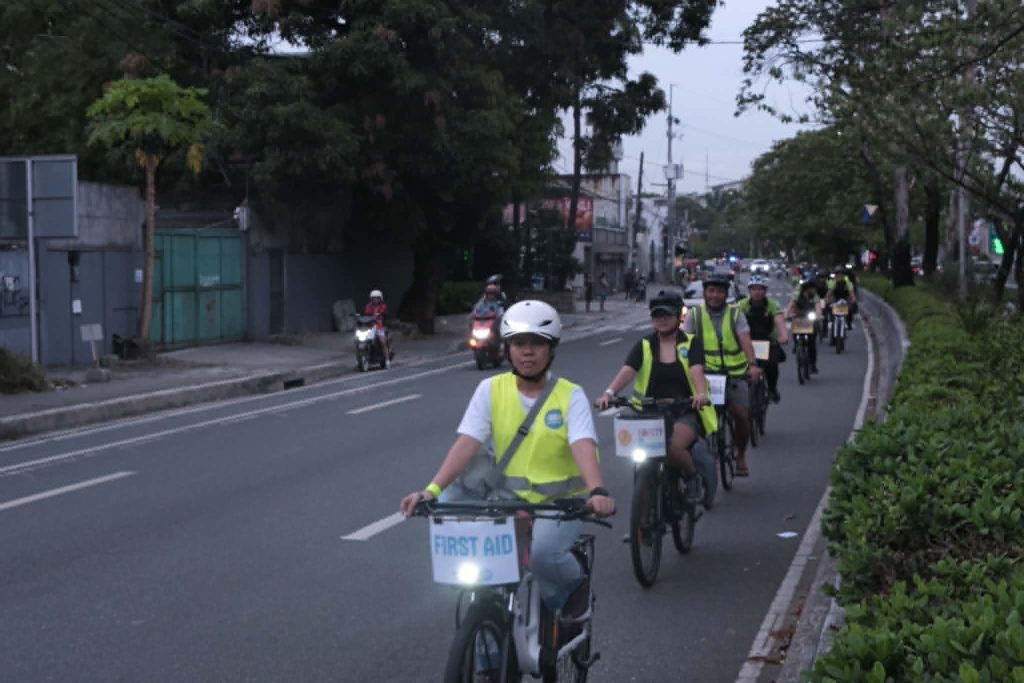
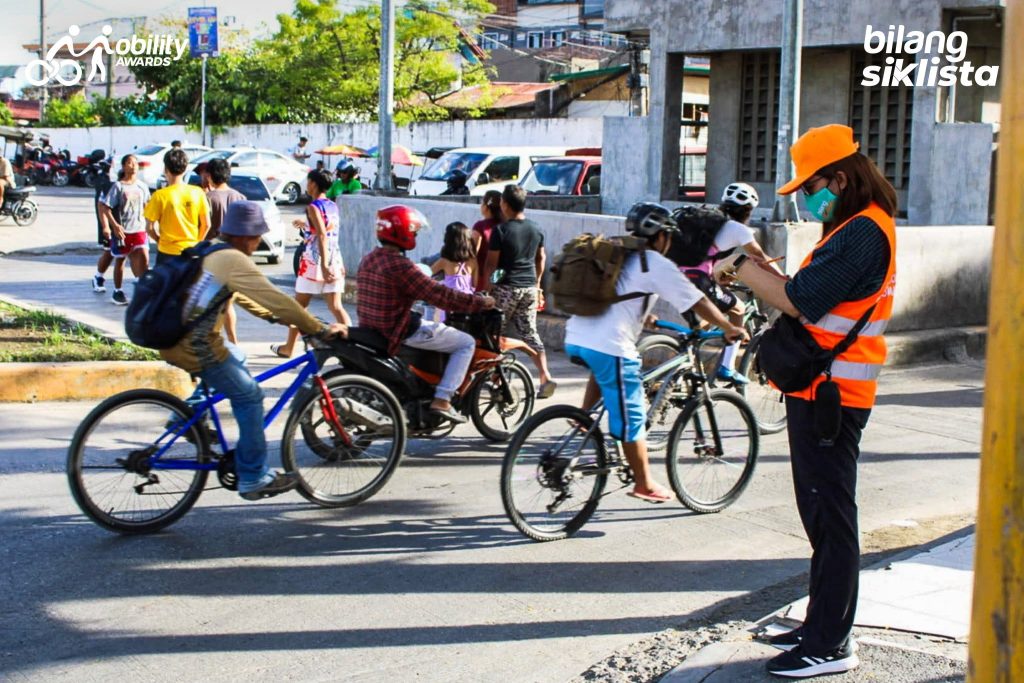
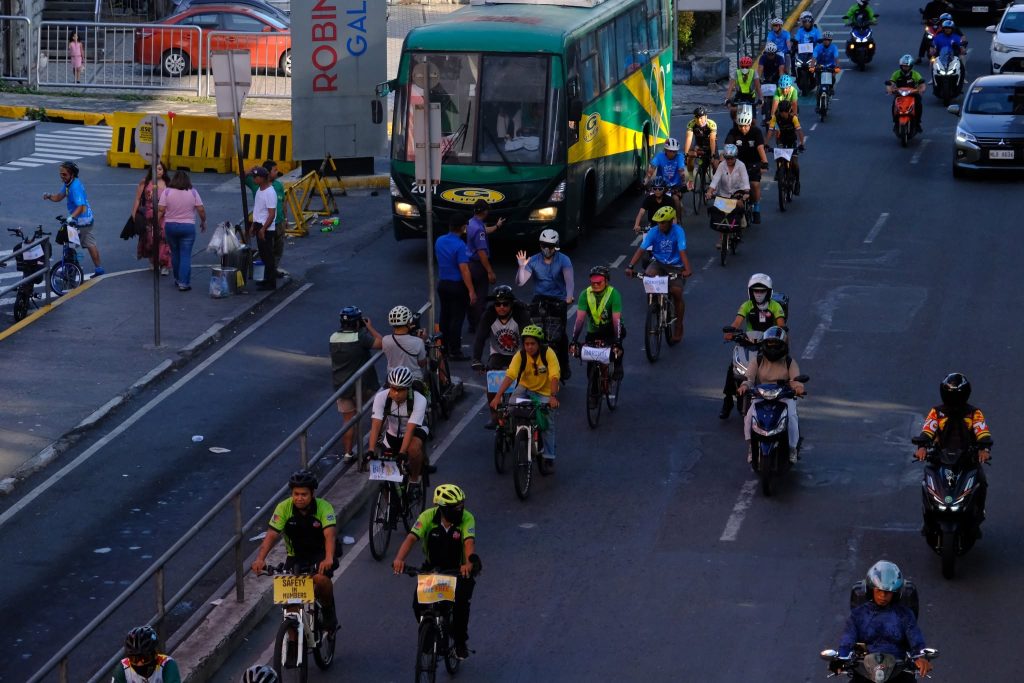
Transport advocates on Tuesday urged the Philippine government to increase budget allocation for active transportation projects in 2027, amid calls for safer bike lanes and walkways nationwide.
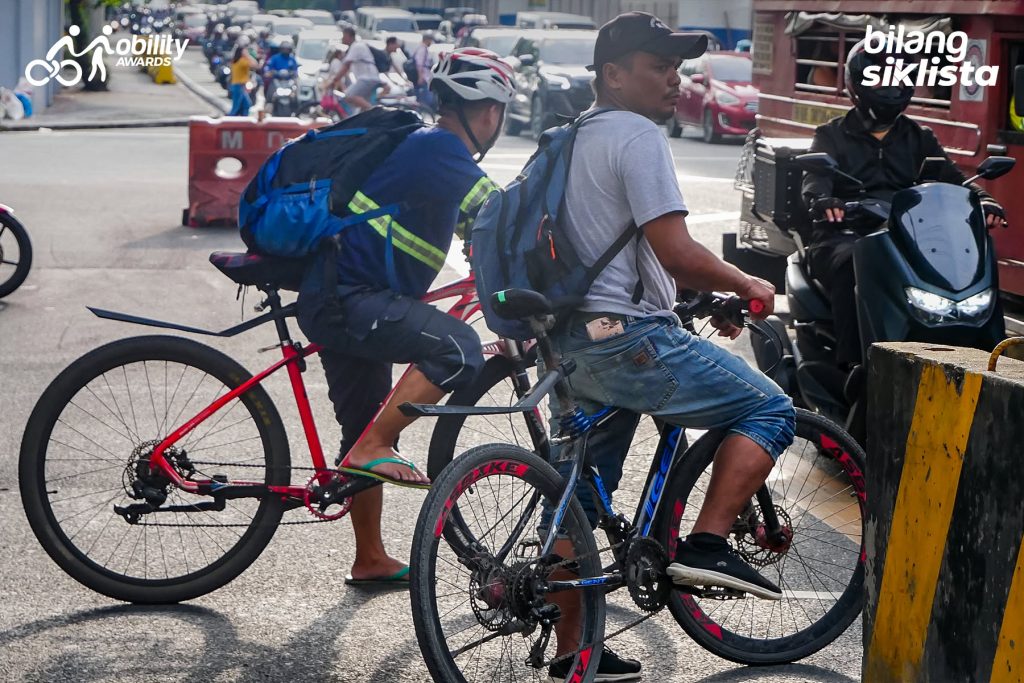
“For the majority of our workforce, walking and cycling are not lifestyle choices—they are financial lifelines,” Mobility Awards National Coordinator Amber Garma said in a statement.
“Active transport keeps money in workers’ pockets and drives daily productivity,” she added. “Yet we are stuck in a paradox where funding and infrastructure are designed to protect only the 6% who own cars.”
Active transport is the process of using your own power to get from one place to another, such as walking, biking, or skateboarding.
The national budget for active transport infrastructure had a 94% drop over the past years, declining from P2 billion in 2022 to P105 million in 2026.
“Congress must reverse years of fiscal neglect and lock in a minimum P1 billion budget for active transport for 2027,” Ms. Garma said. “Lastly, local governments must deploy their own funds to build interconnected networks for active transport.”
Data from the Pulse Asia poll conducted in May showed that 94% of respondents agreed with proposals to construct safer, wider bicycle lanes and walkways. 93% also supported expanded public transport lanes, and 82% demanded transit subsidies.
In contrast, maintaining the policy of prioritizing private vehicles has the lowest level of public agreement at 72%.
“The 94% carless majority has spoken, and our leaders must step up to protect them,” Ms. Garma said. “The President must declare active transport an economic and labor priority in his upcoming State of the Nation Address (SONA).”
Earlier this year, the Department of Transportation (DoTr) said it would expand its Active Transport program by creating more cycling and pedestrian routes. The department said it aims to establish 2,400 kilometers of protected and dedicated cycling lanes by 2028.
Under the Philippine Development Plan 2023-2028, safe and well-connected active mobility networks include, among others, widening of sidewalks, adding segregated micro-mobility corridors, developing greenways, redesigning and reconstructing existing intersections, and re-evaluating interchanges and grade separators.