Jheny Dabu via the Philippine Daily Inquirer
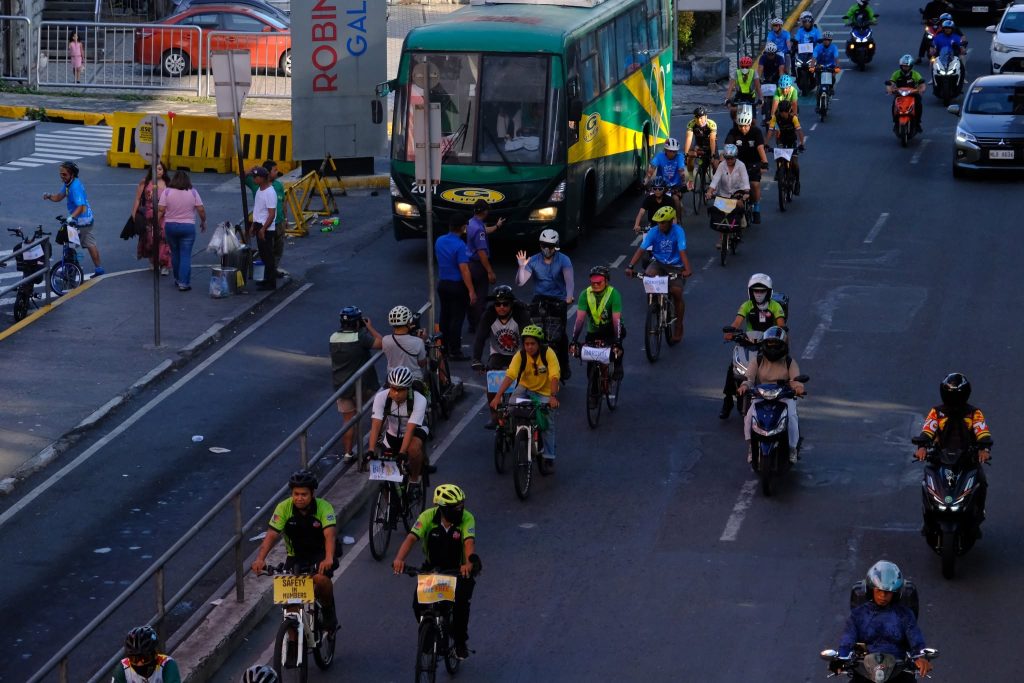
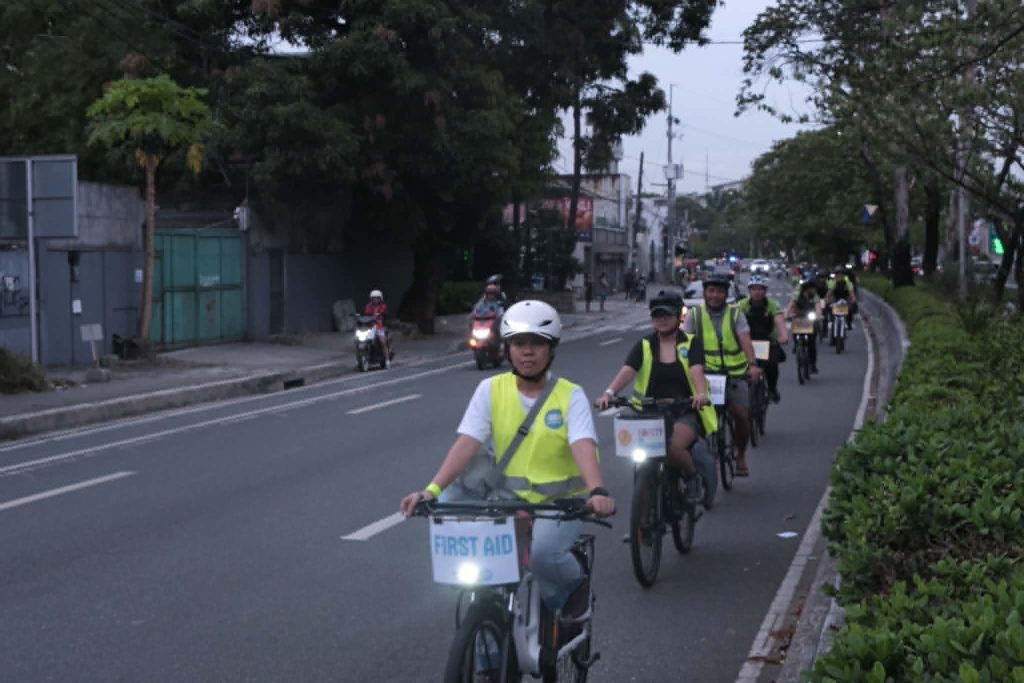
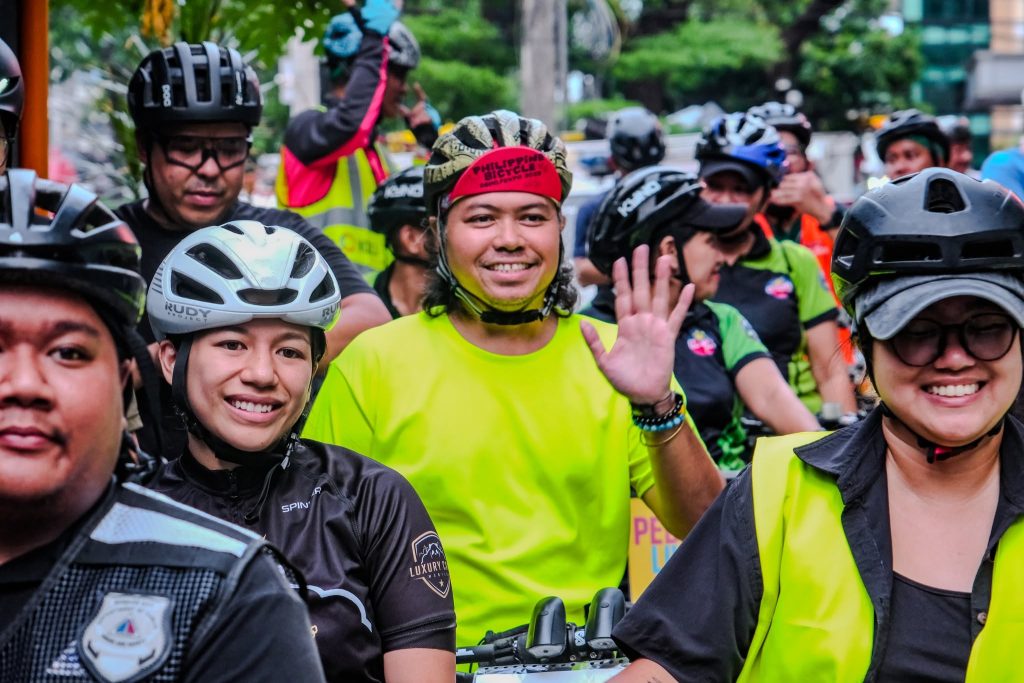
Last week, a striking sight rolled through Edsa, from Quezon City Hall to the Metropolitan Manila Development Authority’s end-of-trip facility for cyclists: the Workers’ Bike Bus. It was a glimpse into a future where active transport reclaims our roads.
At 350 Pilipinas, this wasn’t merely a celebratory gesture; it was born out of sheer necessity. Members of our team regularly commute from Rizal to our Quezon City office, which is why we started our first bike bus. This led to us developing Bike Bus Pilipinas in order to promote bike-commuting especially among workers, youth, and women. It is a campaign designed to tackle two of our greatest overlapping challenges: the climate crisis and the mobility crisis.
While commuting is a daily necessity, navigating this broken transport system has historically been an individual burden. In the face of a deepening energy and transport emergency, Filipinos are caught between looming fare hikes and a volatile oil market.
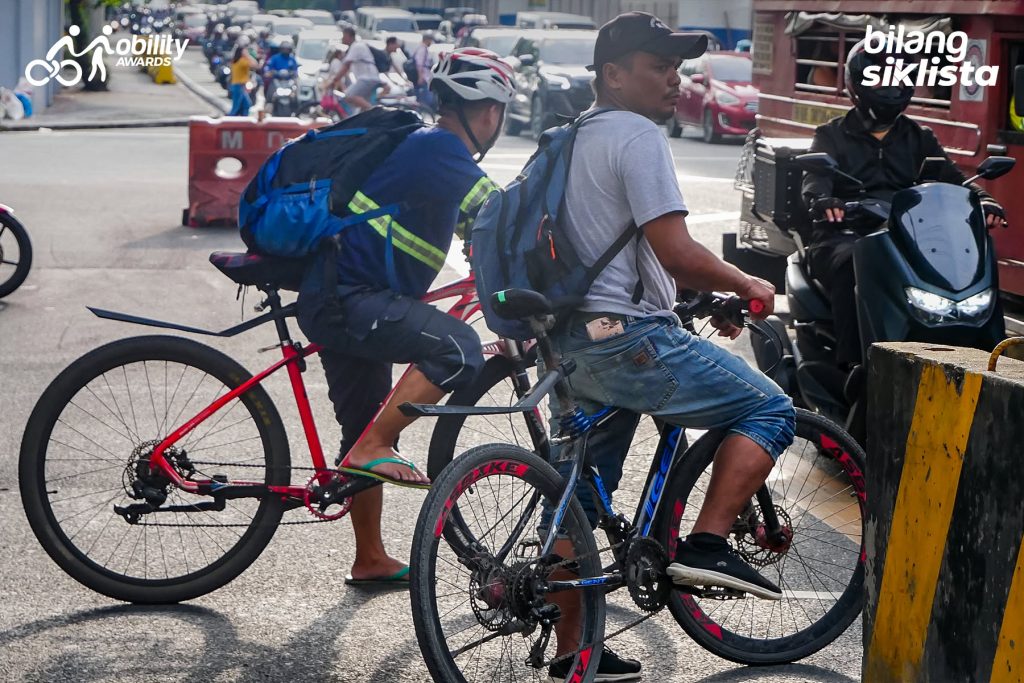
During the COVID-19 pandemic, we saw a glimpse of a more inclusive road system as essential workers took to their bicycles, prompting the rapid installation of bike lanes. The demand did not disappear when the pandemic ended. In fact, a 2023 Social Weather Stations survey found that one in three Filipino households has at least one member who cycles, underscoring how bicycles have become an essential mode of mobility for Filipinos. However, many of the infrastructural gains have backslided, leaving cyclists to once again navigate a “survival of the fittest” environment.
Solving this dilemma requires long-term structural overhauls such as mass electric transit, but commuters cannot afford to wait. This is where the bike bus comes in.
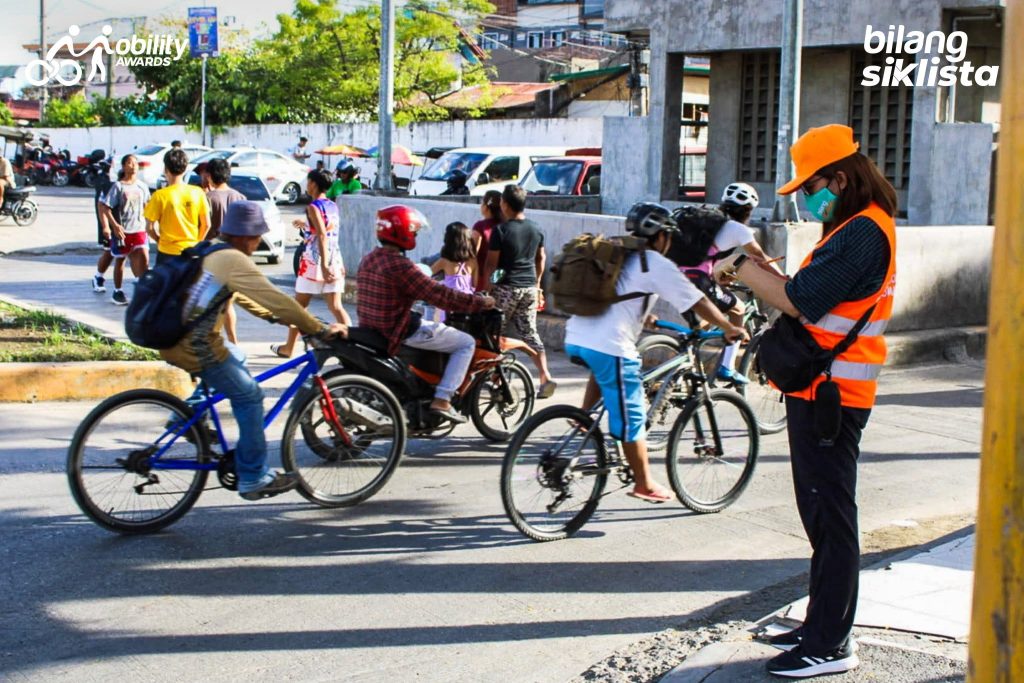
A bike bus operates exactly like a traditional school bus, but on two wheels. A group of commuters rides along a predetermined route with fixed pickup points and precise timetables. Led by “drivers” at the front and “conductors” at the rear to manage the pace, the group moves as a singular, highly visible vehicle.
By organizing marshaled, scheduled commutes, it provides a safe, predictable, and dignified alternative to expensive and unreliable motorized transit. It directly solves the number one deterrent for aspiring cyclists in Metro Manila: fear. Navigating major thoroughfares alone alongside heavy traffic can be terrifying. But when five, 10, or more cyclists occupy an entire lane together, safety increases exponentially. The power of the pack shields individual riders and clears the path for beginners.
The transport crisis demands a collective approach rooted in communal unity and cooperation. Bike Bus Pilipinas is a direct intervention to reclaim that space, transforming individual survival into collective power. This collective power is bayanihan sa daan in action. Just as communities once carried a neighbor’s house together, cyclists and commuters today look out for one another on the road—experienced riders protecting beginners, faster riders adjusting their pace, and individuals moving as one. In a transport system that pits people against each other for limited space, the bike bus shows that our greatest strength lies in carrying one another forward.
Crucially, by shifting personal mobility away from car-centrism, the bike bus slashes emissions in real time. It treats the bicycle not just as a workaround, but as a formal and sustainable mass transit solution. The bike bus scales the climate-saving potential of active transport, proving that low-carbon commuter corridors can be created right now, using the roads we already have.
To transform Bike Bus Pilipinas into a national reality, three key sectors should act:
First, workplaces should incentivize active transport. They can organize workplace bike buses, and provide the shower facilities and secure racks that support bike commuters.
In addition, schools should explore organizing parent-led bike buses to protect students, eliminate school-gate gridlock, and teach the next generation that mobility doesn’t require a car.
Lastly, communities should take ownership of their streets. They can protect local riders and initiate bike-sharing programs to help shield neighbors from still-prohibitive fuel costs.
Waiting for top-down infrastructure is a luxury Filipino cyclists and commuters don’t have. The climate and mobility crises are happening now, and the solutions must happen now. By reclaiming our roads today, we can drive our own mobility revolution—one bike bus at a time.